Counterpoint – Part 3
In this part of Counterpoint things start getting a bit more complicated. Mainly because our musical choices can back us into corners.
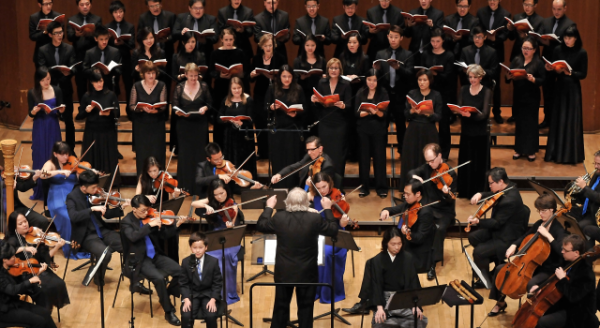
In this part of Counterpoint things start getting a bit more complicated. Mainly because our musical choices can back us into corners.
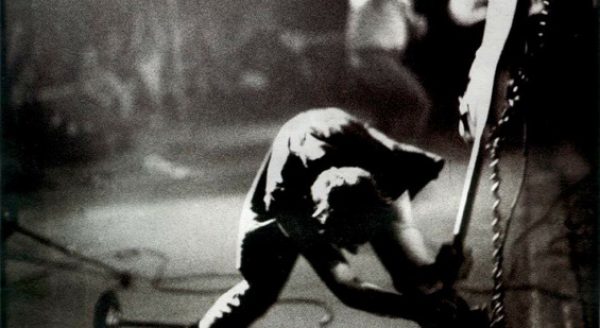
Punk music is generally loud, fast, and distorted. And that means you’ll be playing power chords almost all of the time.
After reading part one, we’ve now got the basic terminology of counterpoint behind us. We now move on to writing counterpoint melodies.
Counterpoint is a style of music where you have multiple instruments doing different things at the same time, adding up to something bigger than its parts.
Can anyone really play 10, 15, or 20,000 different chords? Yep, you bet. Tom reveals the system for navigating the fretboard that he teaches his students.
We’ve reached the conclusion of Tom Serb’s series on Scales and Modes. If you’ve been following along you’ll know there’s all kinds of scales possible.
Because the starting point of any scale can be shifted to make an entirely new scale, we can quickly get lost in the permutations.
After the pentatonic, major, and common minor scales and the modes, everything else – with one exception – can be considered an exotic scale. Let’s look.