Everything You Ever Wanted to Know About Scales – Part 6
This month, we’re continuing a terrific series from long time Guitar Noise contributor Tom Serb concerning just about every scale you could ever think of.
This month, we’re continuing a terrific series from long time Guitar Noise contributor Tom Serb concerning just about every scale you could ever think of.
In our last post we learned there is only one kind of major scale. Now let’s look at the minor scale – and there are LOTS of different minor scales!
Now we’ll get into the grand-daddy of music theory. The major scale is important to theory because it’s the yardstick by which we measure all other scales.
Let’s look at hexatonic scales. Like the blues scale, hexatonic scales are any scales that have six notes.
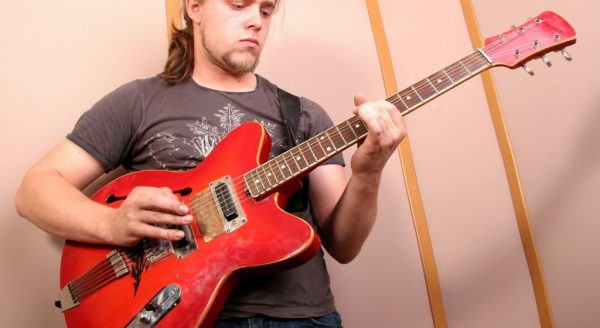
A lot of blues music is played by adding one note to the regular pentatonic scale. This “blue note” is what makes the blues music sound the way it does.
Believe it or not, scales are your friend. There is no reason scales should scare or confuse guitar players and with Tom’s help we’re going prove that.
How do you go from being an amateur musician to a professional musician? Practice is important but the real key is in developing a sense of musicianship.
Even if you consider yourself an expert at guitar solos, you’ll still find the exercise Tom introduces in this mini-lesson eye opening.